
Revision & secondary surgery
When the first surgery wasn’t the last step.
Still having problems after hand or upper-extremity surgery?
Most hand and upper-extremity operations do what they set out to do. Some do not - or do, and leave a different problem behind.
Persistent pain, numbness, weakness, stiffness, deformity or loss of function after previous treatment is a real situation that patients find genuinely difficult to get addressed. It sits between specialties, the original plan has already been tried, and it is often unclear who to ask next.
A complex problem after previous surgery usually needs more than repeating the original operation. It needs a fresh assessment of what the anatomy is now.
What patients describe
Some patients continue to have problems after previous treatment.
Pain
Pain that has continued, returned or changed character since surgery.
Numbness
Numbness or altered sensation that has not recovered as expected.
Weakness
Loss of grip, pinch or a specific movement.
Stiffness
Joints that will not move as far as they did, or as far as expected.
Loss of motion
A finger, thumb or wrist that no longer moves through its range.
Scarring
Scar that is painful, tethered, or restricting movement.
Deformity
A change in the resting shape or alignment of the hand.
Wound problems
Wounds that broke down, or that have not fully healed.
Functional limitation
A hand that is not doing what daily life or work requires.
A complex problem after surgery is rarely solved by repeating the first operation
A secondary problem usually needs the question re-opened rather than the answer repeated. That means reconsidering the original diagnosis, understanding what the anatomy is now, and working out which structures are actually responsible for the symptoms today.
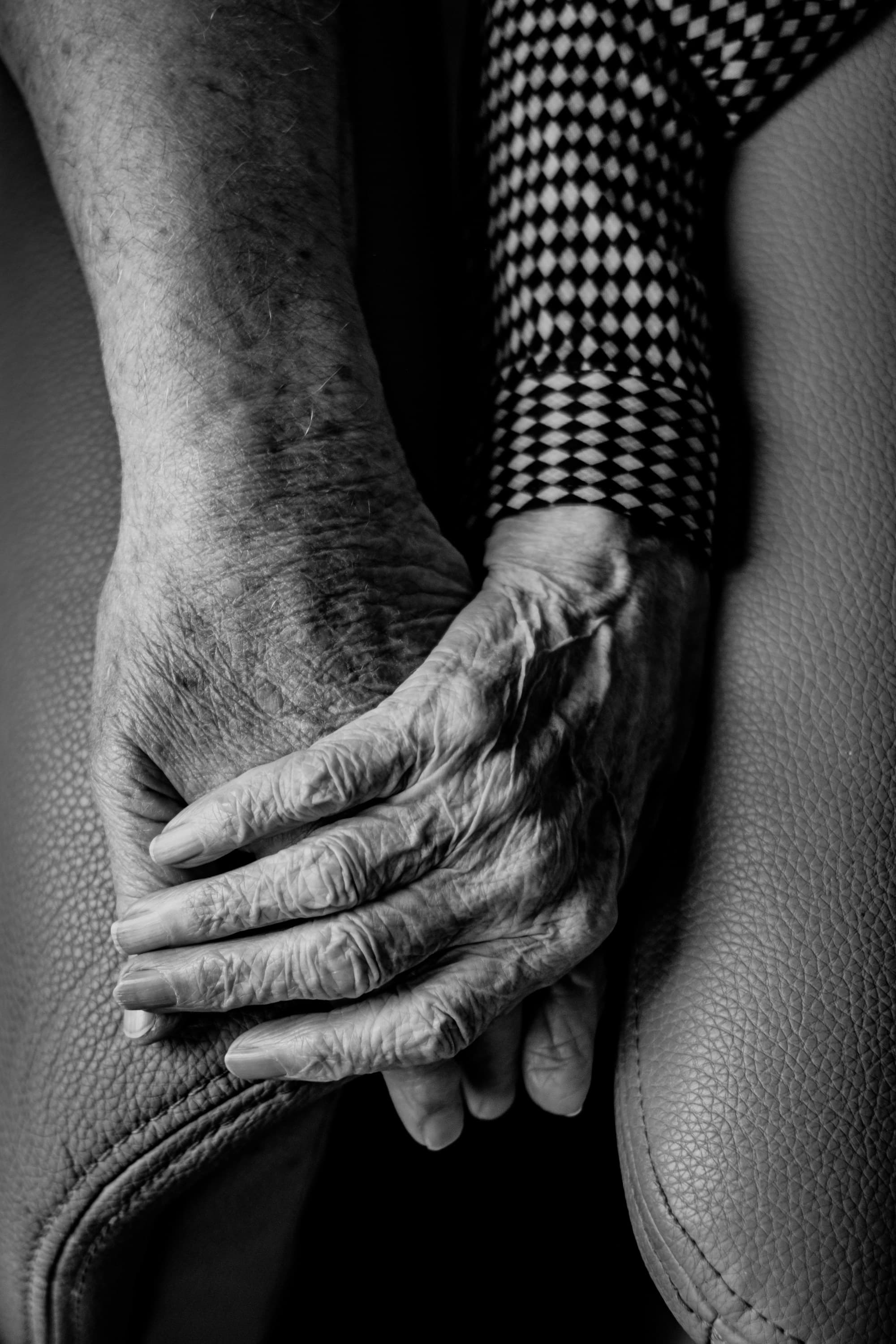
A hand that has already been operated on is a different problem from one that has not.
The evaluation
How a secondary problem is worked through
- 01
What happened?
The original condition or injury, what was done about it, and why. Operative reports, imaging and the treatment record all contribute - the history is the foundation of everything that follows.
- 02
What isn’t working?
The current symptoms and, more importantly, the specific things the hand can no longer do. Function is what treatment decisions are ultimately measured against.
- 03
Why?
Examination and investigation to work out which structures are involved and what is producing the current problem. Sometimes the answer changes the original diagnosis.
- 04
What can be improved?
Whether nonsurgical treatment, therapy, secondary surgery, reconstruction or a different approach altogether is appropriate - including the possibility that further surgery is not the right answer.
- 05
What is realistic?
A clear discussion of what can and cannot reasonably be expected, in terms of function and recovery time. This is not the last step in the conversation; it runs through all of it.
What gets reconsidered
The evaluation may need to revisit more than the operation itself.
The original diagnosis
Whether the problem treated was the problem present.
Anatomy
What the anatomy is now, after injury, surgery and healing.
Previous operative reports
What was actually done, and what was found at the time.
Imaging
Previous and current studies, reviewed together rather than in isolation.
Nerve function
Whether a nerve is recovering, compressed, tethered or divided.
Tendon function
Whether a tendon is intact, ruptured, or intact but unable to glide.
Bone and joint alignment
Union, position, and how the joints are loaded.
Scar tissue
Where scar is limiting movement or holding structures down.
Soft-tissue coverage
Whether the covering is adequate for what lies beneath it.
Blood supply
Whether perfusion is sufficient for healing and for further surgery.
Previous implants or hardware
Whether hardware is contributing to the current problem.
Rehabilitation history
What therapy was done, when, and how the hand responded.
Overall function
How the hand and the whole upper limb are working together.
Why revision can be more complex
Previous surgery can change the anatomy.
Revision surgery may involve anatomy altered by the original injury, previous procedures, healing and scar formation. This visualisation illustrates that principle.
Loading anatomy
Stage 1 of 3 - Primary surgery.
Need a second opinion?
Complex problems sometimes benefit from a fresh evaluation - someone looking at the whole picture again, including the possibility that the original diagnosis was not the complete story.
A second opinion is a normal and reasonable thing to seek. It does not commit you to anything, and it is not a criticism of anyone.
Request a Second-Opinion ConsultationQuestions
Does a problem after surgery mean something went wrong?
Not necessarily. Surgery can be performed well and still leave a patient with symptoms - because of the original injury, because of how the tissue healed, because nerve recovery is slow and incomplete, or because the problem was more complex than it first appeared. The purpose of a reassessment is to understand what is happening now, not to assign blame.
Is it worth being seen if my surgery was years ago?
It can be. Some problems change little over time and remain addressable; others have a window that has passed. An honest assessment will tell you which situation you are in, and that is useful information even when the answer is that further surgery is not advisable.
Will another operation fix it?
Sometimes, partly, and sometimes not at all. Revision surgery works with anatomy that has already been altered by the original problem, the previous surgery and healing. It cannot return a hand to a state it has not been in for some time. What it may be able to do - and what it cannot - is discussed specifically, before any decision.
What should I bring to a second-opinion consultation?
Previous operative reports are the single most useful document, because they describe what was actually found and done. Imaging, nerve studies, therapy records and your own account of what changed and when all add to the picture.
Do I need a referral?
This depends on your insurance plan rather than on the practice. The office can advise on what your plan requires.
Nothing on this page is intended to suggest that a previous surgeon made an error. Persistent symptoms after surgery have many causes, most of which have nothing to do with the quality of the original operation. Revision surgery cannot restore a hand to normal, and no page can tell you whether it would help in your case.
Referring a complex or revision case? Physician referral pathways.